
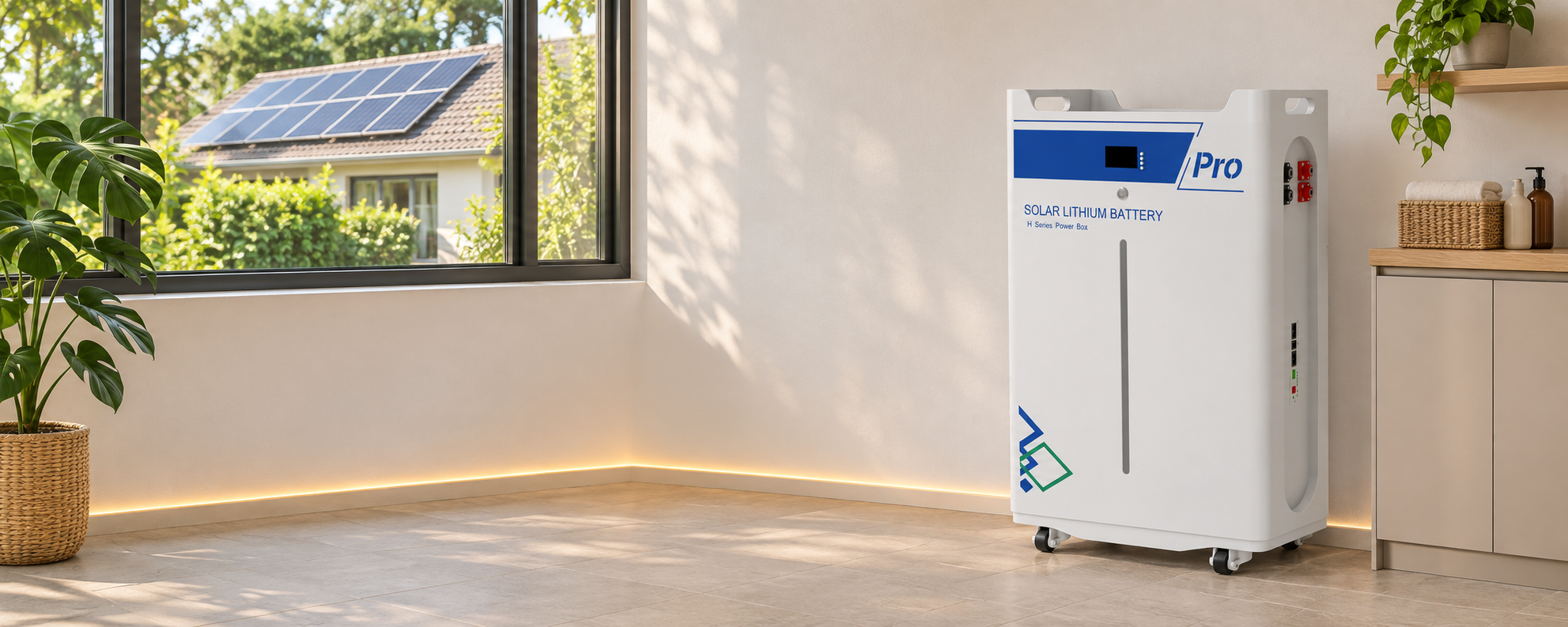
让选择,有据可依。Understand your options.
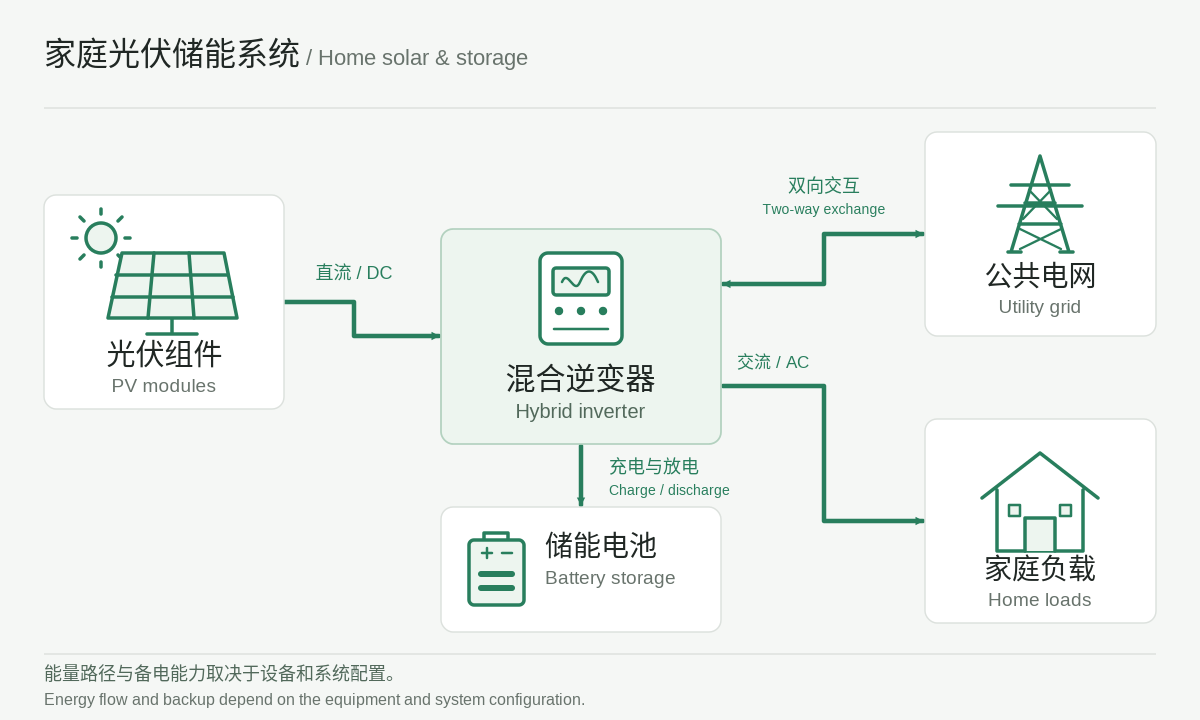
家庭光伏储能系统如何工作?从白天发电到夜间用电How home solar storage works: from daytime generation to evening use
看懂光伏组件、储能电池与混合逆变器如何配合,再从容量、功率和备电需求出发,规划适合家庭的能源方案。Understand how panels, batteries and a hybrid inverter work together, then plan around energy capacity, power and backup needs.
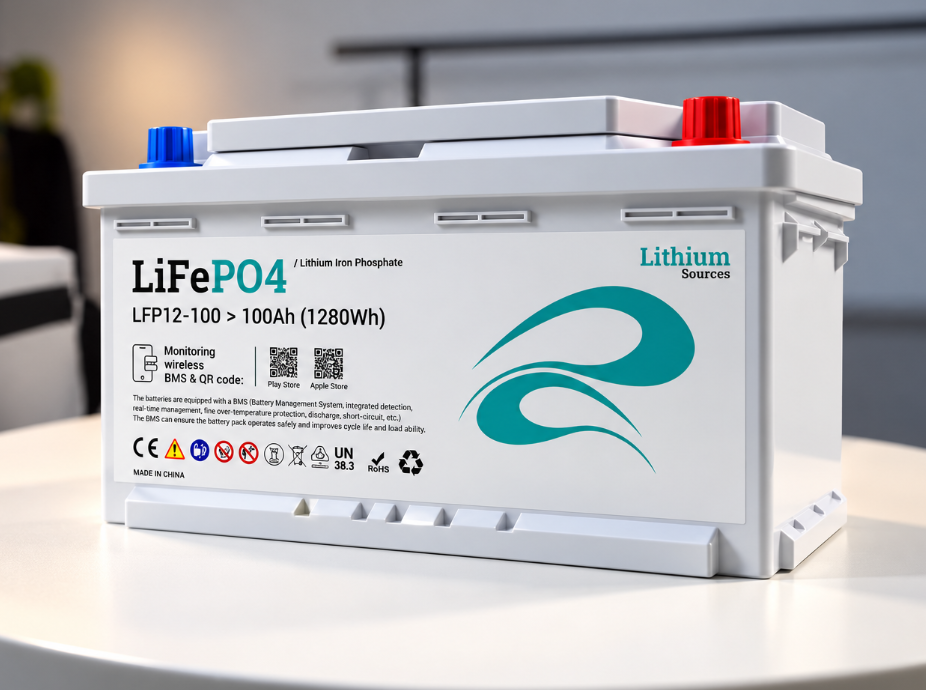
房车与游艇生活电池怎么选?先分清负载和充电来源Choosing an RV or marine service battery
从生活负载、系统电压、补能方式、安装条件及管理系统出发,整理移动场景电池的选型信息,避免只比较安时容量。Review service loads, system voltage, charging sources, installation conditions and battery management before comparing ampere-hour ratings.
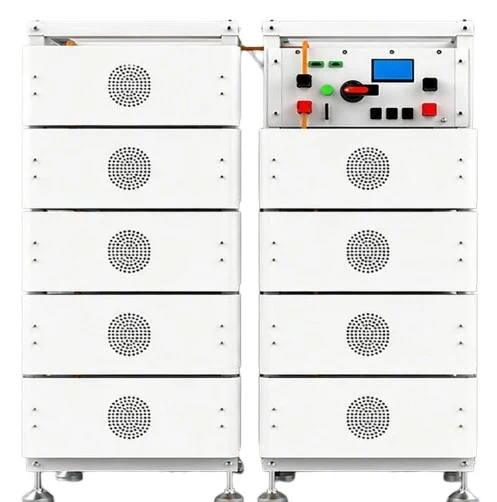
工商业储能项目先准备什么?从负荷曲线到现场条件What to prepare for a commercial storage project
项目初步沟通应包括分时负荷、电价规则、光伏资料、关键负载与现场条件,避免仅凭月度用电量决定储能规模。Bring interval loads, tariff details, solar information, critical-load needs and site conditions to the first project discussion.
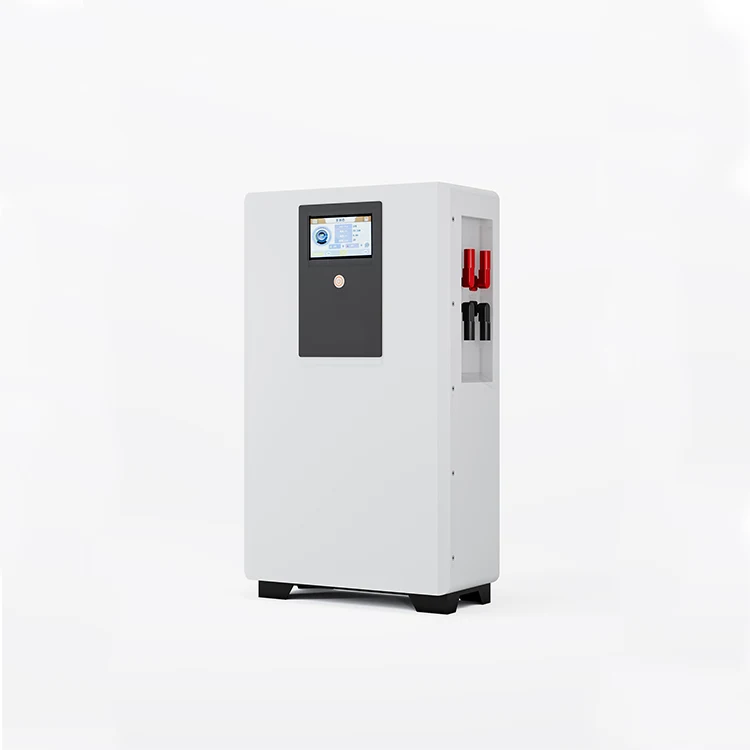
磷酸铁锂电池循环寿命怎么看?先看测试条件Understanding LiFePO₄ cycle life and its test conditions
循环次数需要连同放电深度、温度、充放电条件和寿命终点一起理解,还要区分循环老化、时间老化与质保条款。Read cycle count alongside discharge depth, temperature, operating conditions and the stated end point, while distinguishing aging from warranty terms.
储能电池安装环境怎么选?IP 防护等级不是全部条件Choosing a battery location: look beyond the IP rating
选安装位置时,把外壳防护、工作温度、散热间距、承载与维护空间放在一起核对,不能只凭一个 IP 数字判断室外适用性。Evaluate enclosure protection together with temperature, ventilation, mounting support and access instead of judging a location from one IP number.
BMS、CAN 与 RS485:储能电池通讯兼容要核对什么BMS, CAN and RS485: checking storage communication compatibility
了解 BMS 的监测与保护作用,以及通讯接口、协议、固件与兼容清单之间的区别,减少设备选型中的误解。Understand battery monitoring and protection, and distinguish physical interfaces from protocols, firmware and tested compatibility.
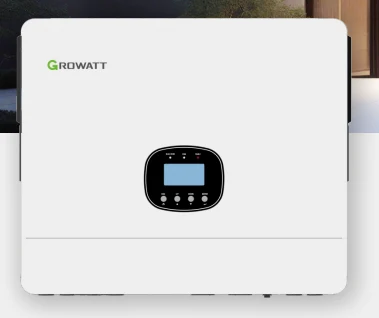
并网、离网与混合逆变器怎么选?先看系统目标Grid-tied, off-grid and hybrid inverters: start with the system goal
逆变器名称不能代替完整功能表。围绕现有光伏、电池接入、备电需求和现场供电条件,确认真正需要的运行模式。An inverter label is not a complete function list. Match existing solar, battery connections, backup needs and site supply conditions to the required operating modes.

家庭备电先选关键负载:停电时哪些设备需要继续运行Planning critical loads for home backup
备电方案先回答“保留哪些设备、运行多久”,再核对逆变器、切换方式和系统配置,避免把储能容量误当整屋供电保证。Choose which appliances must operate and for how long before checking inverter capability, switching arrangements and backup configuration.
家庭储能容量怎么估算?从设备清单到初步用电预算Estimating home battery capacity from a load list
用“功率×时间”整理需要储能覆盖的电量,再核对同时运行功率、可用容量和充电条件,形成可讨论的选型起点。Estimate energy with power multiplied by time, then check simultaneous demand, usable capacity and charging opportunities before discussing a system.
kW、kWh、Ah 有什么区别?读懂储能产品参数kW, kWh and Ah: reading battery specifications correctly
功率决定设备能否带动负载,能量影响可运行多久;比较电池时,还要把电压、安时和可用容量放在一起看。Power determines load capability, while energy influences operating duration. Voltage, ampere-hours and usable capacity complete the comparison.
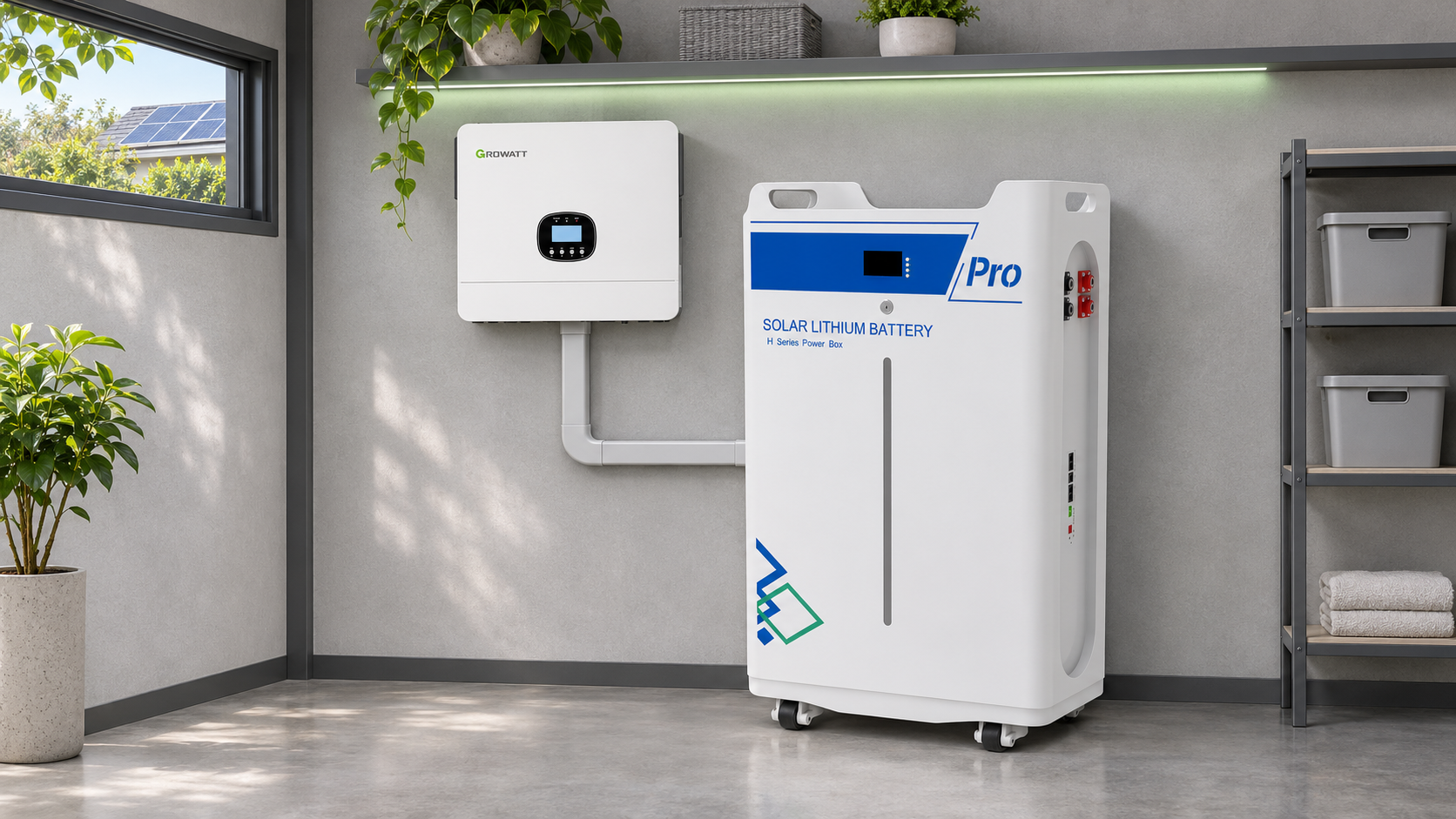
家庭光伏储能怎样工作?看懂组件、电池与逆变器的分工How home solar, batteries and inverters work together
从白天发电到夜间用电,理解光伏组件、储能电池、逆变器和电网如何协同,便于沟通家庭能源需求。Follow the energy flow from daytime generation to later use, and understand the separate roles of panels, batteries, inverters and the grid.
逆变器与储能电池如何匹配Matching an inverter with a storage battery
从电压范围、充放电能力到通讯协议,了解光储设备匹配时需要核对的关键条件。Review voltage ranges, charge and discharge capability, and communication requirements when matching solar-storage equipment.
家庭储能电池选型,先确认这几个问题Questions to ask before choosing a home battery
容量、电压、功率和使用空间各有侧重,选型时需要同时考虑家庭需求与设备适配条件。Capacity, voltage, power and installation space all matter when matching a battery to household needs and equipment.
家庭光伏储能:把白天的阳光留到晚上Home solar storage: saving daytime energy for later
了解光伏发电、储能电池与家庭负载之间的关系,从日常用电需求开始规划家庭能源方案。Explore how solar generation, battery storage and household loads work together when planning home energy needs.
没有匹配的文章 / No matching articles