
家庭光伏储能怎样工作?看懂组件、电池与逆变器的分工How home solar, batteries and inverters work together
从白天发电到夜间用电,理解光伏组件、储能电池、逆变器和电网如何协同,便于沟通家庭能源需求。
Follow the energy flow from daytime generation to later use, and understand the separate roles of panels, batteries, inverters and the grid.
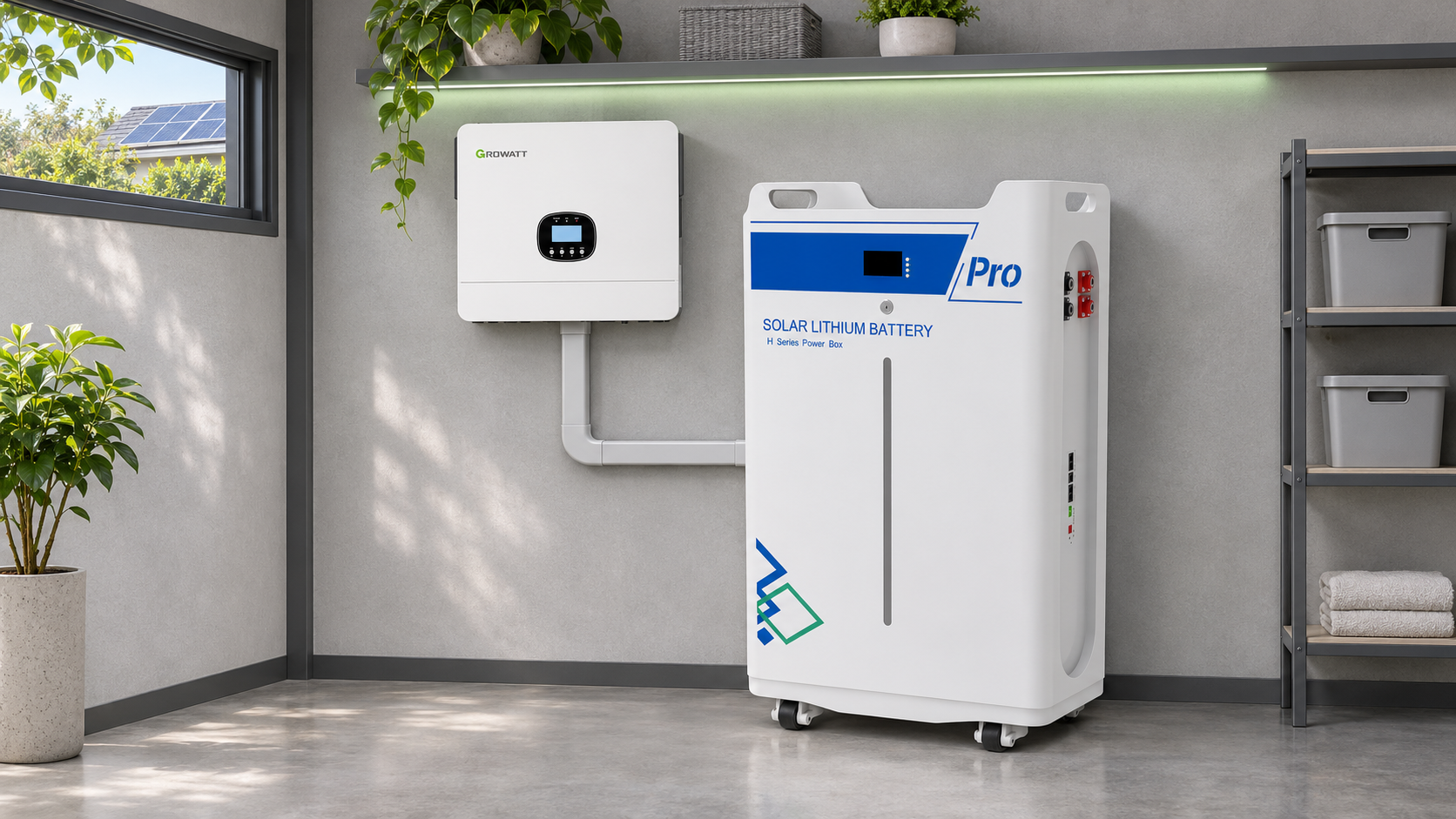
先区分发电、储能和转换
光伏组件在有光照时产生直流电,电池把能量储存在电化学体系中,逆变器负责与交流负载或电网所需的电能形式衔接。三者承担不同任务,不能用某一个设备的容量,代替对整个系统的判断。屋顶有光伏,也不等于家中已经具备储能或停电供电能力。
白天:先看发电与负载是否同时出现
白天的能量去向取决于实时发电、家庭负载和设定的运行策略。家里正在用电时,部分光伏电量可直接被使用;有余量且电池允许充电时,系统可以把部分余电储存起来。是否向电网输出、何时充电和保留多少电量,需要结合接入条件与设备功能确认。
夜间:电池释放的是之前储存的能量
日照下降后,电池可以按配置向负载供能,但它不会持续创造电量。实际可用电量受到允许放电范围、转换损耗、温度和已有电量影响。连续阴天、大负载或较长使用时间,都可能增加向电网取电的需求,因此需要同时查看光伏发电和家庭用电的时间分布。
连接方式不同,设备职责也会变化
光储方案可以采用不同的交流或直流耦合架构,有些逆变器把多种功能集成在一台设备里,有些则由独立设备配合完成。比较方案时,应索取系统框图,弄清现有光伏设备是否保留、电池通过什么设备充放电,以及监控界面分别显示哪个环节的数据。
咨询时带上四项基本资料
准备近期用电记录、现有光伏与逆变器型号、希望保留供电的设备,以及可用安装空间。再让设计人员核对容量、功率、通讯和运行目标。这样得到的方案更容易解释:哪些需求由光伏满足,哪些由电池补充,哪些仍需要电网,而不是只得到一个总容量数字。
Generation, storage and conversion
Solar panels generate direct-current electricity in sunlight. A battery stores energy electrochemically, while an inverter connects DC equipment with AC loads or the grid. Each component has a different job; installing panels alone does not create a battery or backup system.
During the day: compare supply and demand
During daylight hours, energy flow depends on generation, household demand and configured operating priorities. Some solar electricity can supply simultaneous loads. Surplus may charge the battery when permitted. Export rules, charging schedules and reserve settings depend on the installation.
Later use: stored energy supplies the load
After solar output falls, the battery can supply loads within its configured limits. It cannot generate new energy. Available output depends on stored energy, permitted discharge range, conversion losses and operating conditions, so the timing of consumption remains important.
The connection architecture matters
AC-coupled and DC-coupled arrangements distribute functions differently. Some products integrate several functions; others use separate devices. Request a system diagram showing retained equipment, charging paths and monitoring points rather than comparing only the number of boxes.
Prepare useful information for the installer
Bring consumption records, existing equipment models, intended backup loads and available space. Ask the designer to explain which needs solar can meet, which storage can support and where grid supply remains necessary. This makes the proposed arrangement easier to evaluate.