
电池设计Battery design
围绕应用需求,讨论电池配置与产品选择。Discuss battery configuration and product selection around the application.
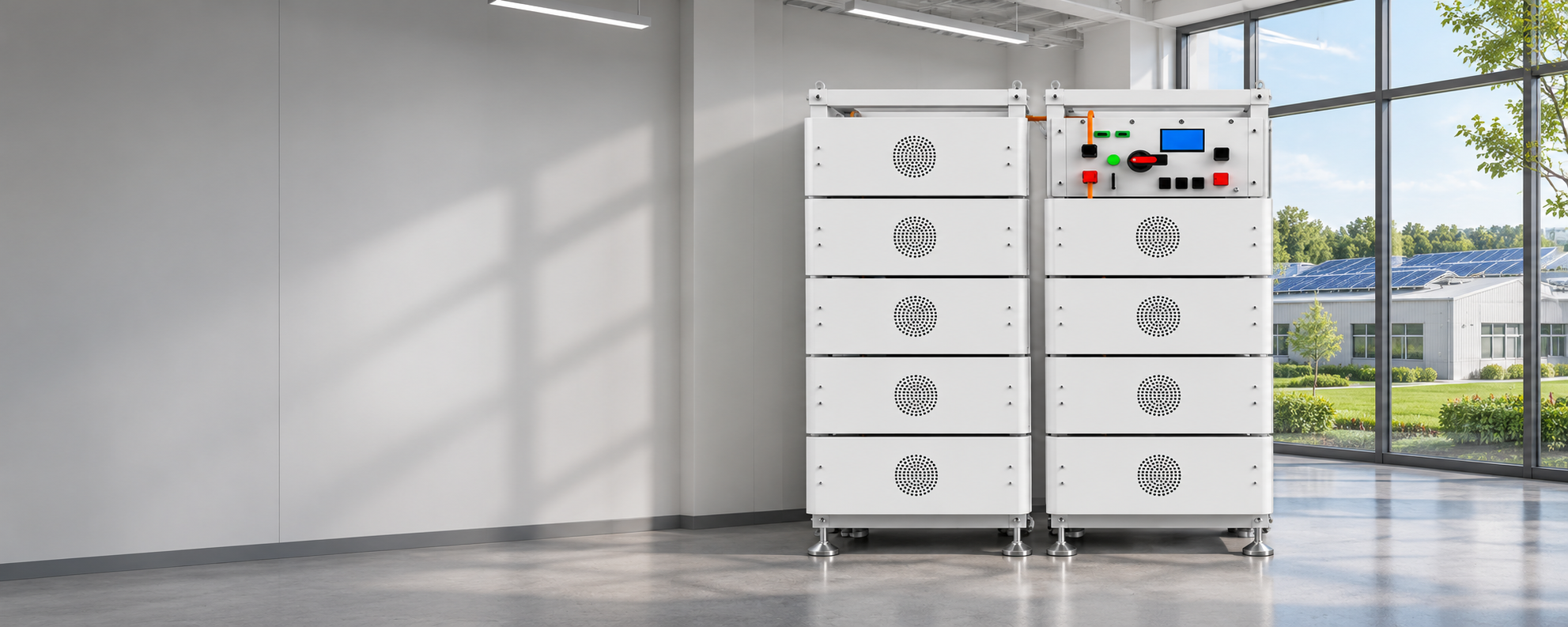
辽宁中蓝锂电科技有限公司面向全球客户提供磷酸铁锂电池解决方案,产品覆盖家庭储能、工商业储能及动力电池应用。从电池设计、BMS 配置到交付,为客户提供配套支持。
Liaoning Zlion Energy provides LiFePO₄ battery solutions for residential storage, commercial and industrial storage, and motive power applications — from battery design and BMS configuration to delivery.
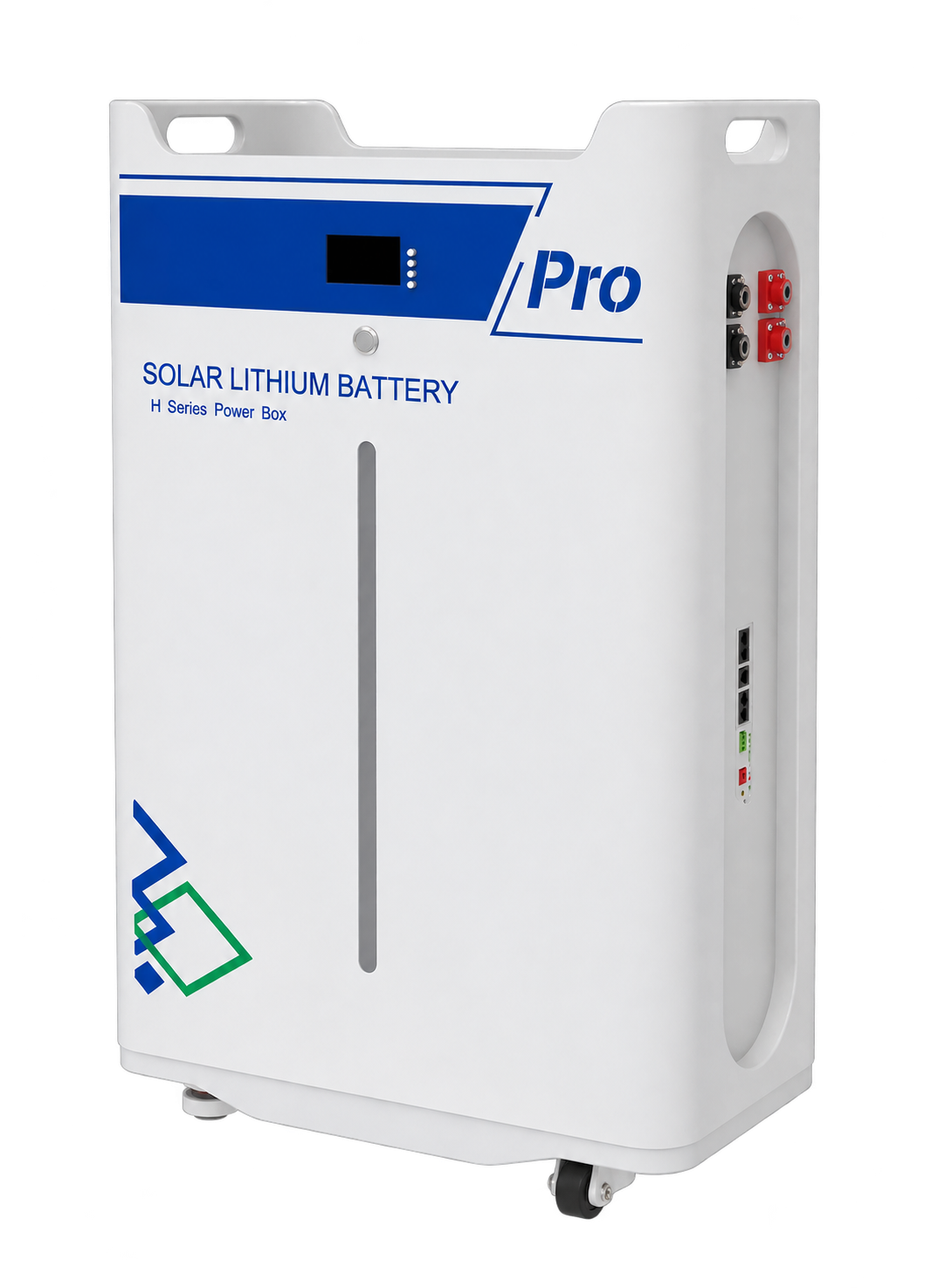
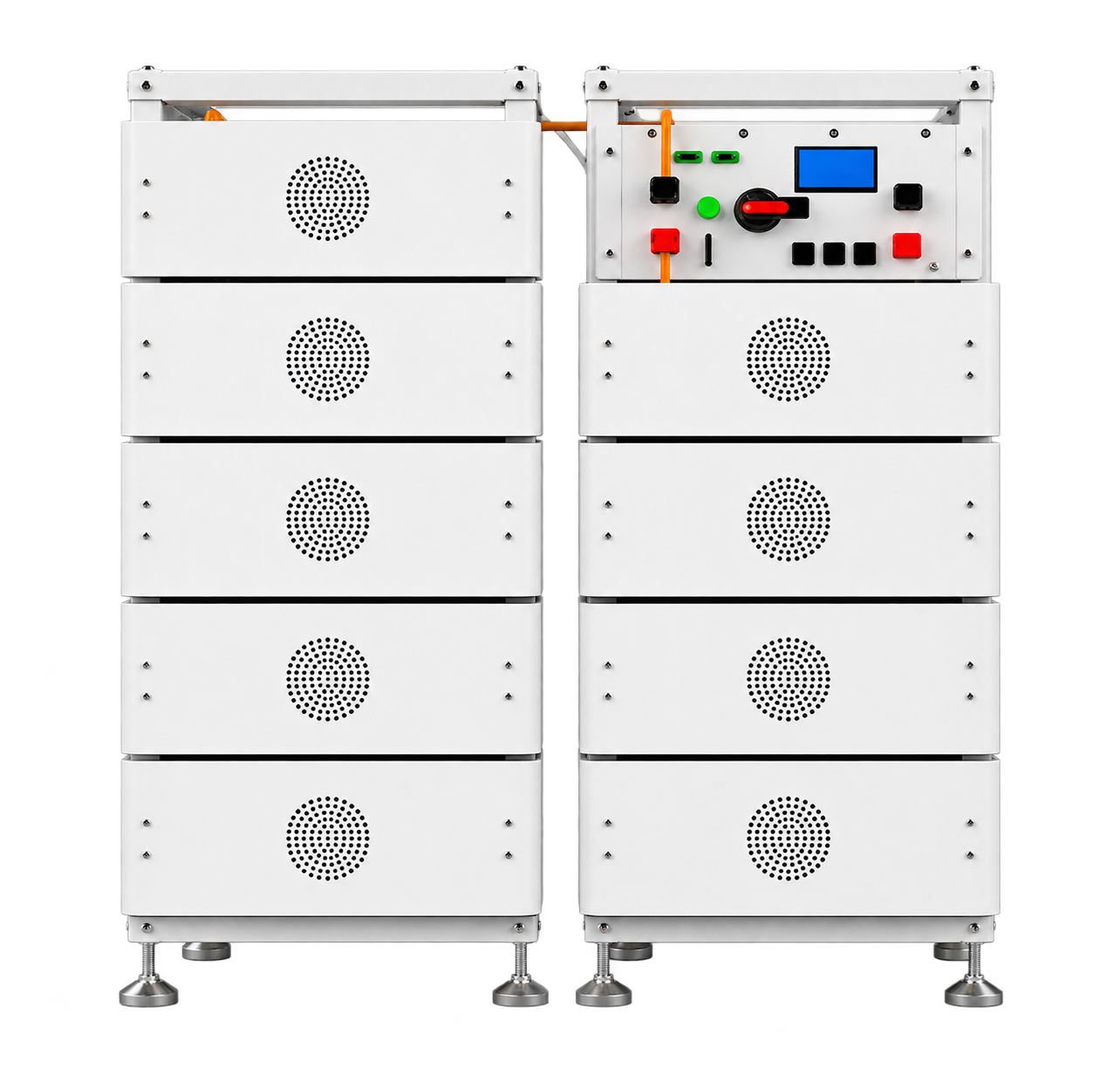
面向家庭、商业与动力应用的磷酸铁锂产品。LiFePO₄ products for residential, commercial and motive power applications.
围绕应用需求,讨论电池配置与产品选择。Discuss battery configuration and product selection around the application.
结合电池管理与设备条件,核对系统适配需求。Review system integration needs alongside battery management and equipment requirements.
从产品资料到交付沟通,为客户提供配套支持。Support customers with product information and delivery coordination.
从产品展示到面对面沟通,让储能需求更加具体。From product displays to face-to-face conversations about energy storage.
展台集中展示储能电池与逆变设备。通过实物、产品资料与现场交流,让来访者直观了解不同产品形式。Battery storage and inverter equipment on display help visitors explore product formats through real units, information and direct conversations.
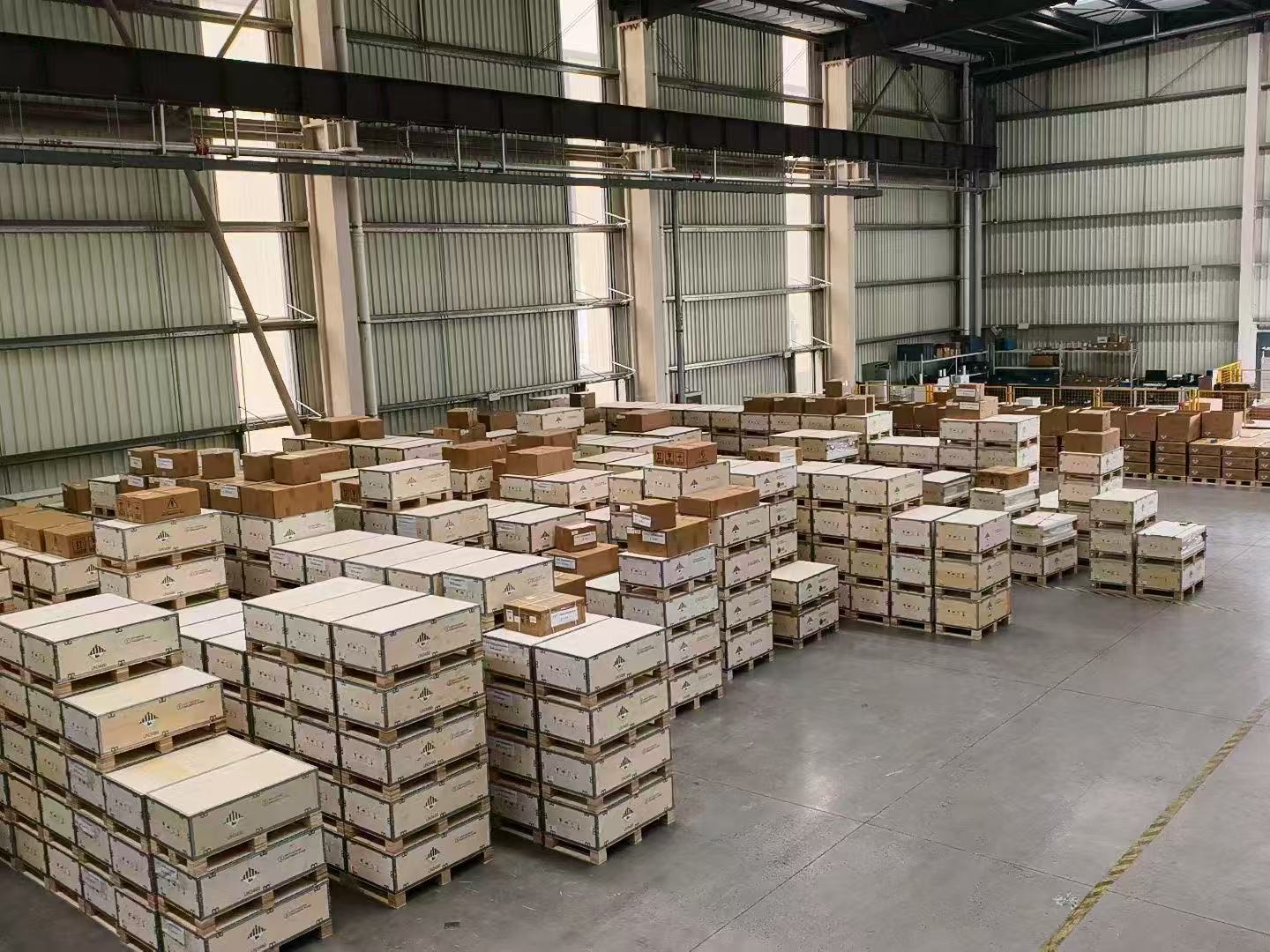
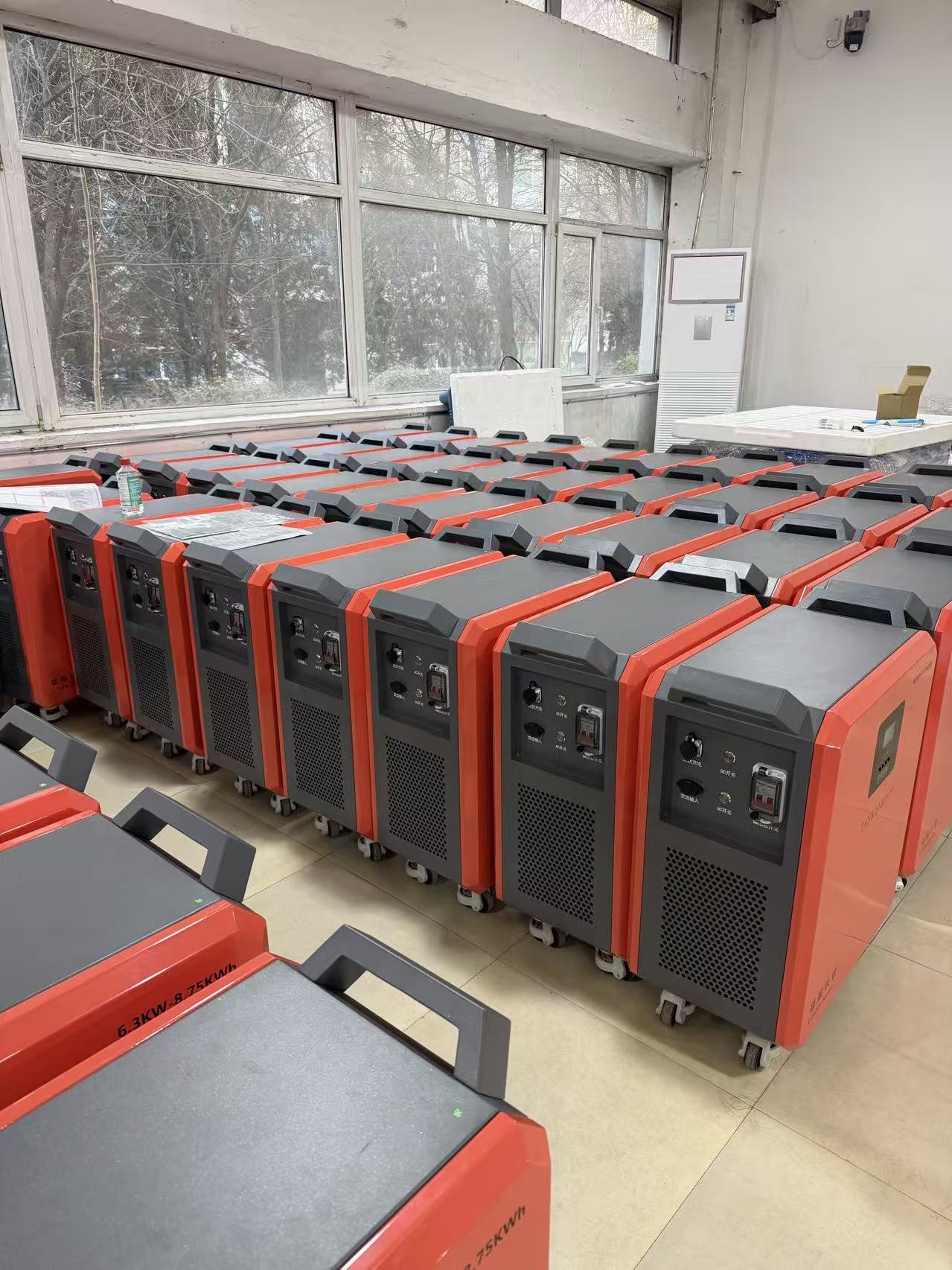
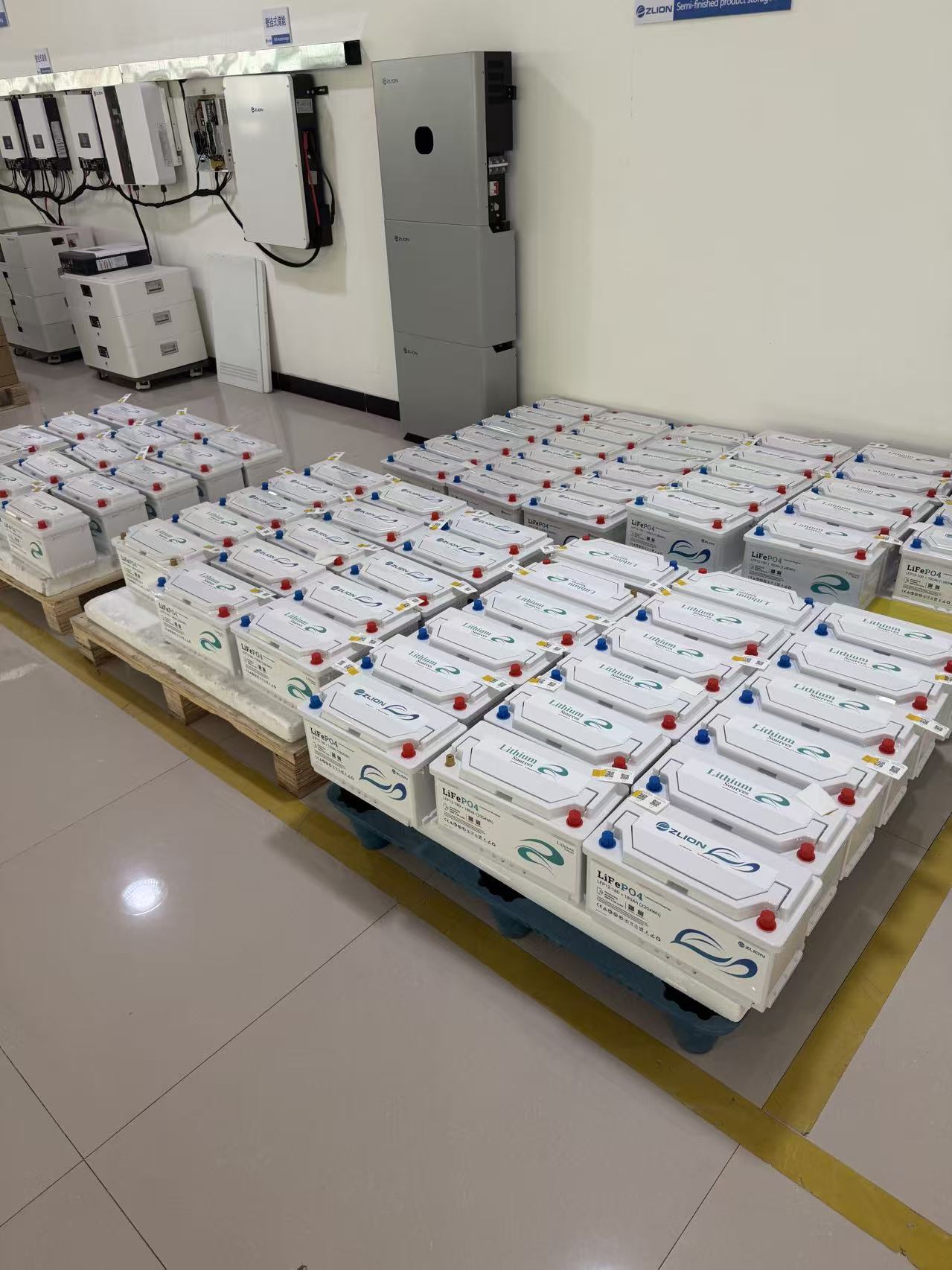
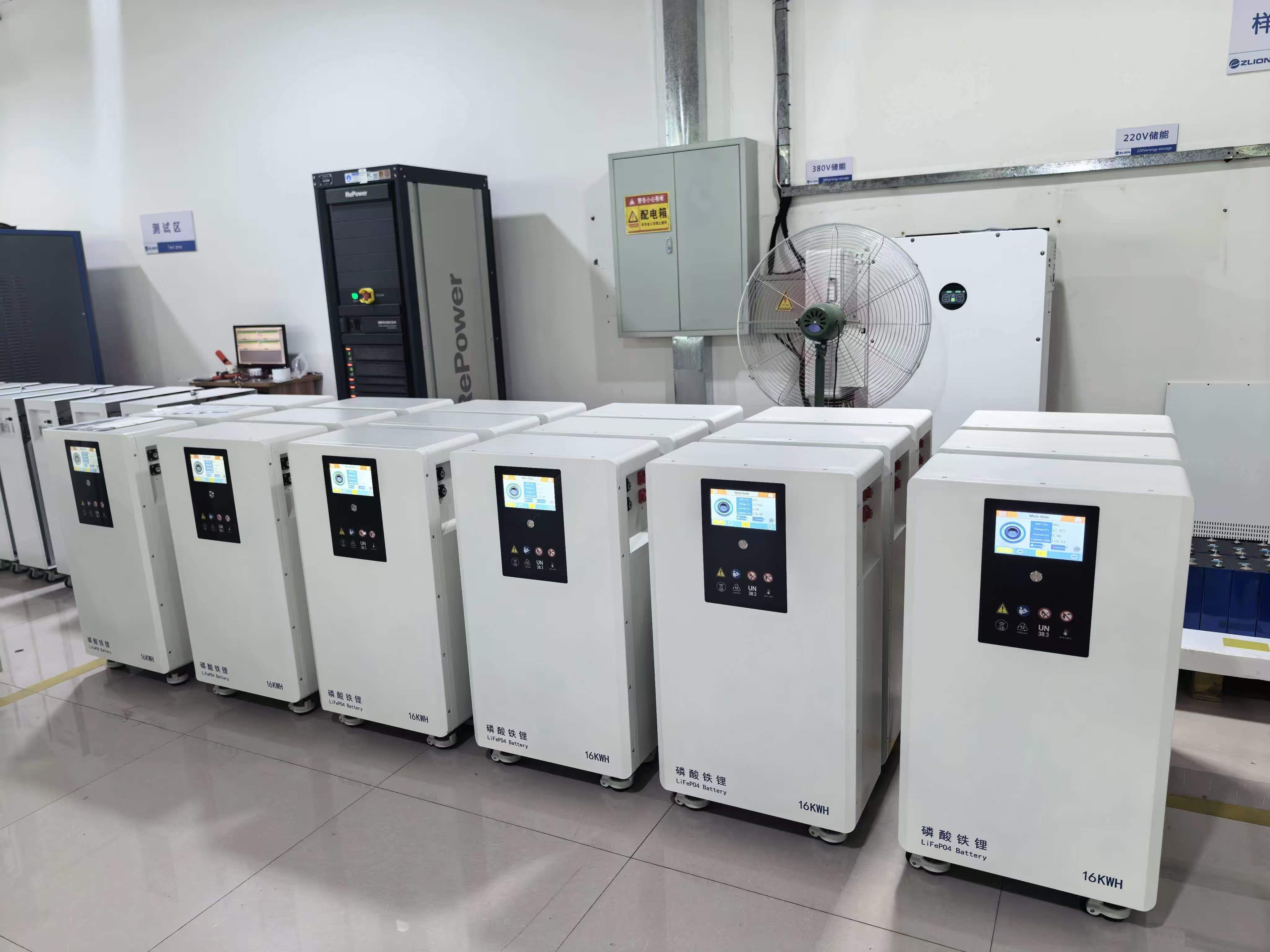
从产品整理、测试到仓储包装,走近中蓝现场。A look at product preparation, testing and packing at ZLION.点击照片查看大图Select a photograph to enlarge
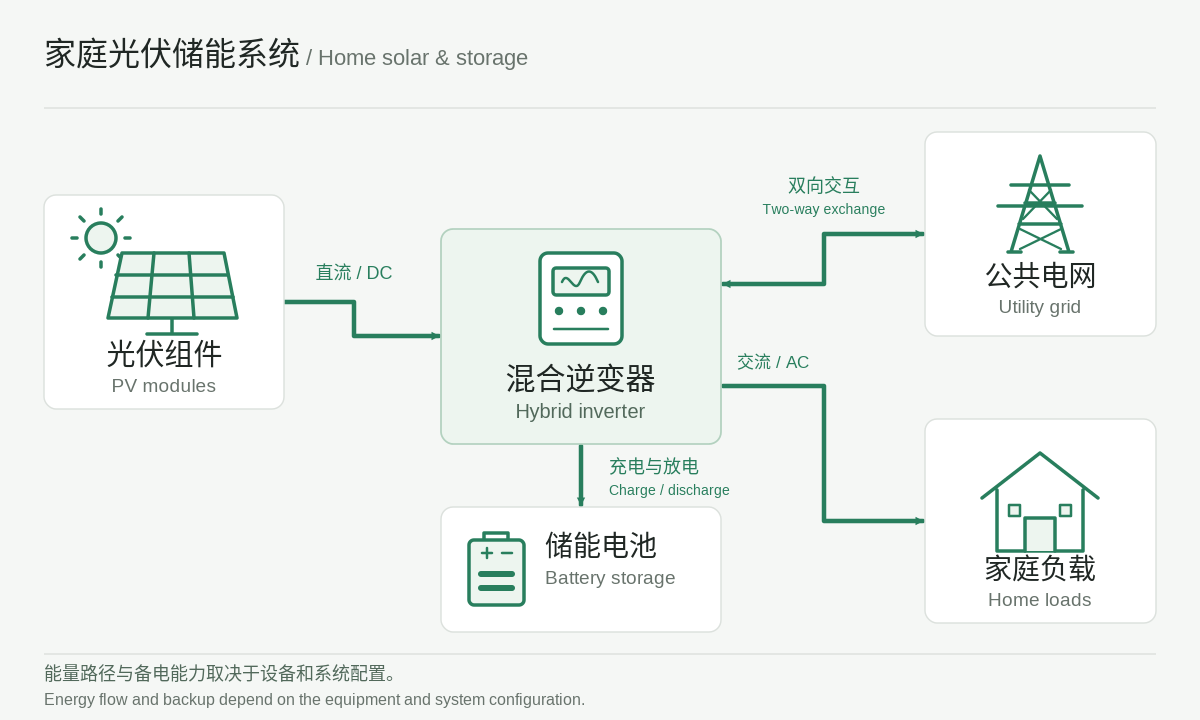
看懂光伏组件、储能电池与混合逆变器如何配合,再从容量、功率和备电需求出发,规划适合家庭的能源方案。Understand how panels, batteries and a hybrid inverter work together, then plan around energy capacity, power and backup needs.

了解光伏发电、储能电池与家庭负载之间的关系,从日常用电需求开始规划家庭能源方案。Explore how solar generation, battery storage and household loads work together when planning home energy needs.
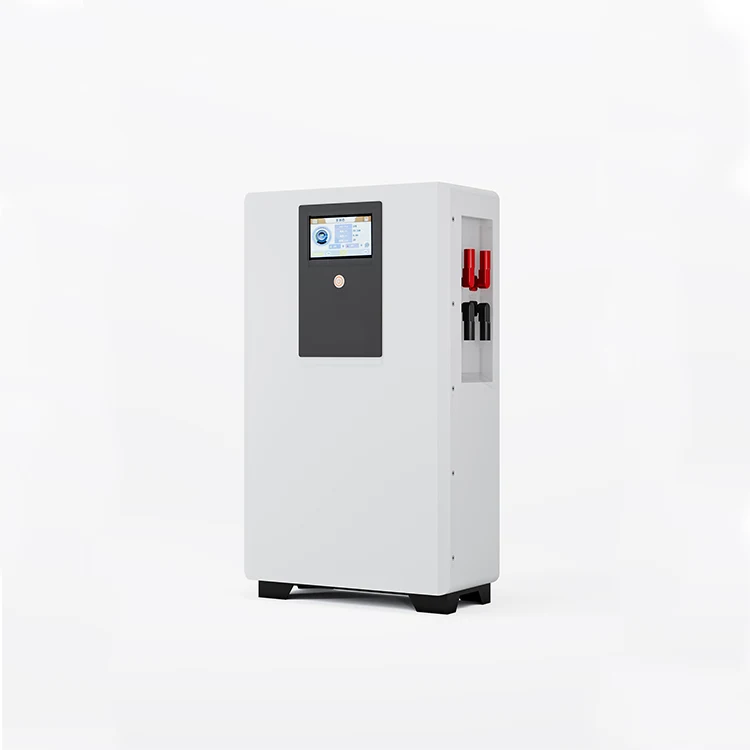
容量、电压、功率和使用空间各有侧重,选型时需要同时考虑家庭需求与设备适配条件。Capacity, voltage, power and installation space all matter when matching a battery to household needs and equipment.
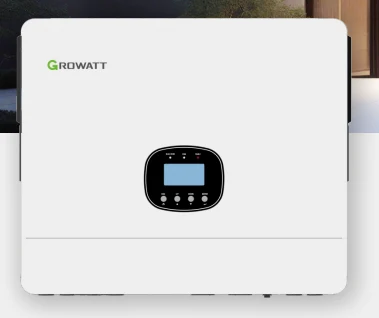
从电压范围、充放电能力到通讯协议,了解光储设备匹配时需要核对的关键条件。Review voltage ranges, charge and discharge capability, and communication requirements when matching solar-storage equipment.
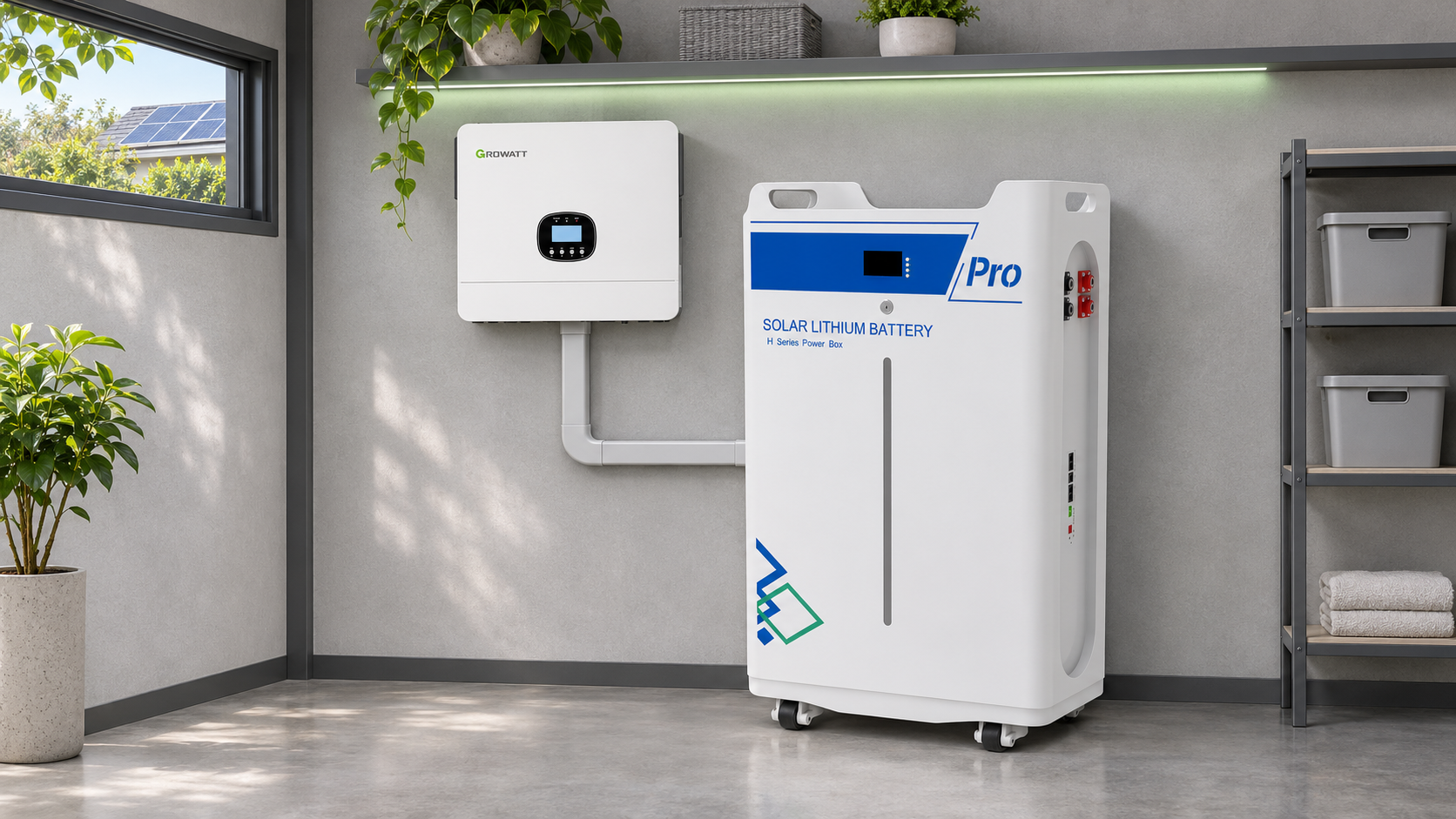
从白天发电到夜间用电,理解光伏组件、储能电池、逆变器和电网如何协同,便于沟通家庭能源需求。Follow the energy flow from daytime generation to later use, and understand the separate roles of panels, batteries, inverters and the grid.
功率决定设备能否带动负载,能量影响可运行多久;比较电池时,还要把电压、安时和可用容量放在一起看。Power determines load capability, while energy influences operating duration. Voltage, ampere-hours and usable capacity complete the comparison.
用“功率×时间”整理需要储能覆盖的电量,再核对同时运行功率、可用容量和充电条件,形成可讨论的选型起点。Estimate energy with power multiplied by time, then check simultaneous demand, usable capacity and charging opportunities before discussing a system.
备电方案先回答“保留哪些设备、运行多久”,再核对逆变器、切换方式和系统配置,避免把储能容量误当整屋供电保证。Choose which appliances must operate and for how long before checking inverter capability, switching arrangements and backup configuration.
逆变器名称不能代替完整功能表。围绕现有光伏、电池接入、备电需求和现场供电条件,确认真正需要的运行模式。An inverter label is not a complete function list. Match existing solar, battery connections, backup needs and site supply conditions to the required operating modes.
了解 BMS 的监测与保护作用,以及通讯接口、协议、固件与兼容清单之间的区别,减少设备选型中的误解。Understand battery monitoring and protection, and distinguish physical interfaces from protocols, firmware and tested compatibility.
选安装位置时,把外壳防护、工作温度、散热间距、承载与维护空间放在一起核对,不能只凭一个 IP 数字判断室外适用性。Evaluate enclosure protection together with temperature, ventilation, mounting support and access instead of judging a location from one IP number.
循环次数需要连同放电深度、温度、充放电条件和寿命终点一起理解,还要区分循环老化、时间老化与质保条款。Read cycle count alongside discharge depth, temperature, operating conditions and the stated end point, while distinguishing aging from warranty terms.
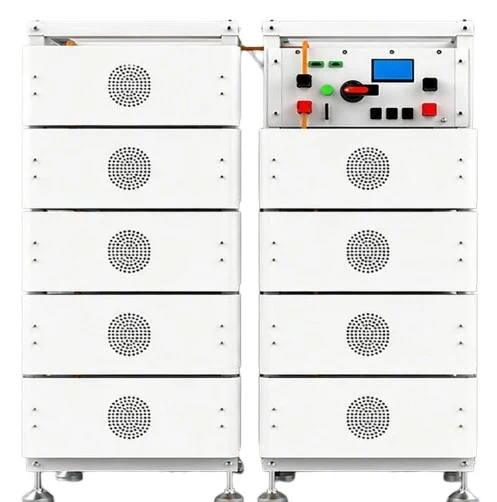
项目初步沟通应包括分时负荷、电价规则、光伏资料、关键负载与现场条件,避免仅凭月度用电量决定储能规模。Bring interval loads, tariff details, solar information, critical-load needs and site conditions to the first project discussion.
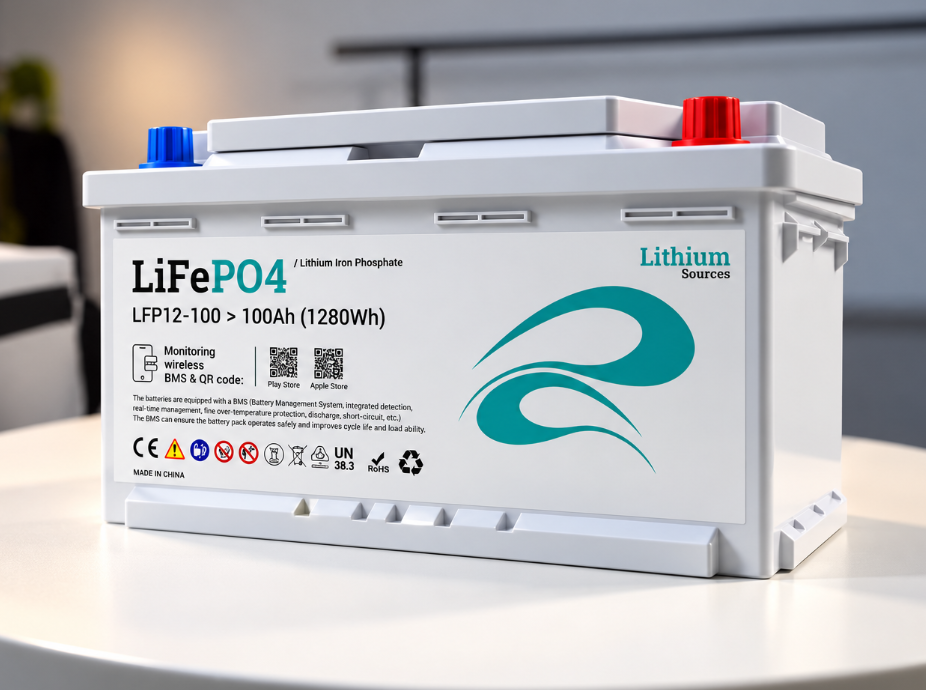
从生活负载、系统电压、补能方式、安装条件及管理系统出发,整理移动场景电池的选型信息,避免只比较安时容量。Review service loads, system voltage, charging sources, installation conditions and battery management before comparing ampere-hour ratings.